
Featured image sourced from Pexels
As moms, we dream of raising children who are not only kind and successful but also content and grounded. In today’s world of constant “I want” and “I need,” gratitude has never been more important. But here’s the truth: gratitude doesn’t require grand gestures; it can be taught and nurtured through everyday, little moments.
So why should we be concerned about teaching gratitude to our kids? And how can we practically weave it into daily life? Let’s dive in.
🌿 Why You Should Teach Kids Gratitude
Gratitude is more than just polite “thank yous.” It’s an attitude of the heart that influences how kids see the world and treat others. Here’s why it matters:
- Gratitude Builds Contentment
Without it, kids can fall into a cycle of always wanting more. Gratitude teaches them to appreciate what they already have, creating happier, less materialistic children. - It Strengthens Relationships
Saying thank you and noticing the kindness of others helps kids value people, not just things. This nurtures empathy and stronger bonds within families and friendships. - It Helps Kids Through Hard Times
Grateful children can see blessings even in challenges. For example: “I didn’t win the game, but I’m thankful I got to play.” This mindset builds resilience they’ll carry into adulthood. - It Connects Them Spiritually
In Islam and many faith traditions, gratitude is central. Teaching kids to say Alhamdulillah reminds them that blessings come from Allah, and nurtures a heart that stays humble and mindful. - It Raises Kinder, More Giving Adults
A grateful child grows into an empathetic adult, someone who shares, gives, and finds joy in helping others.
👉 Parental Concern: If gratitude isn’t encouraged, kids may grow up entitled, impatient, or always dissatisfied. That’s why gratitude is one of the greatest gifts we can pass down.
🌸 Practical Ways to Teach Kids Gratitude
The good news? Gratitude can be gently woven into your everyday family life without pressure or heavy lessons. Here are some simple, practical ways to start:
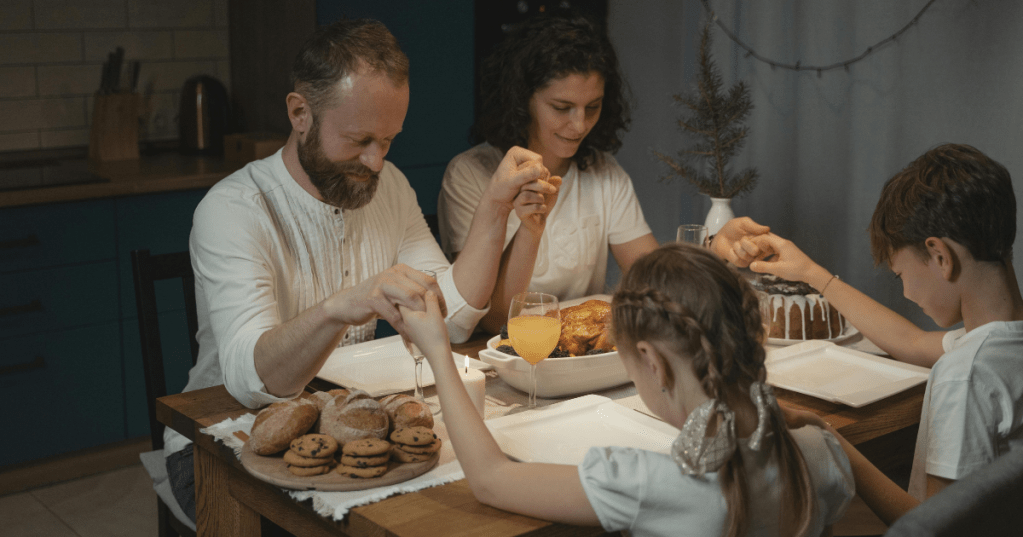
1. Practice Gratitude at Mealtimes
Meals are natural moments to pause and reflect.
- Encourage your kids to say “Alhamdulillah” or “thank you” before eating.
- Take turns sharing one thing you’re thankful for at the table, whether it’s the food, the family, or the hands that prepared it.
- For little ones, make it interactive: “Who do you think helped bring this food to us?” (farmers, bakers, grocery workers).
2. Ask Bedtime Gratitude Questions
The quiet before sleep is the perfect time to reflect. Instead of just “How was your day?”, try:
- “What was your favorite part of today?”
- “Who made you smile today?”
- “What’s one thing you’re thankful Allah gave you today?”
You can even turn this into a fun “thankful storytime,” where you start with one blessing and let your kids add theirs.
3. Create a Family Gratitude Jar
This hands-on activity builds a collection of blessings you can look back on.
- Keep a jar and colorful slips of paper in a central spot.
- Each family member writes or draws something they’re thankful for regularly.
- Revisit the jar on special days like birthdays, Eid, or New Year’s Eve to celebrate how much you’ve been blessed.
4. Model Gratitude in Your Own Speech
Kids notice more than we think. If we show gratitude, they’ll naturally follow.
- Say “thank you” often, even to your kids, for small things.
- Speak gratitude out loud: “I’m so grateful for this sunshine” or “I’m thankful we got home safely.”
- Point out small blessings in daily life so kids learn to notice them too.
5. Connect Gratitude with Acts of Giving
Gratitude isn’t only about words’s also about actions.
- Involve your kids in giving away toys or clothes they no longer use.
- Encourage them to help pack food for a neighbor or join a charity drive.
- Explain the connection: “We have more than enough, so we get to share with others.”
Final Thoughts
Teaching kids gratitude doesn’t need to be complicated. With little pauses and mindful moments, you can raise children who are content, resilient, spiritually grounded, and kind.
✨ So tonight at dinner, try asking your kids what they’re most thankful for. You’ll be surprised at how quickly this little habit grows into a family tradition.

